About Industrial Thermocouple
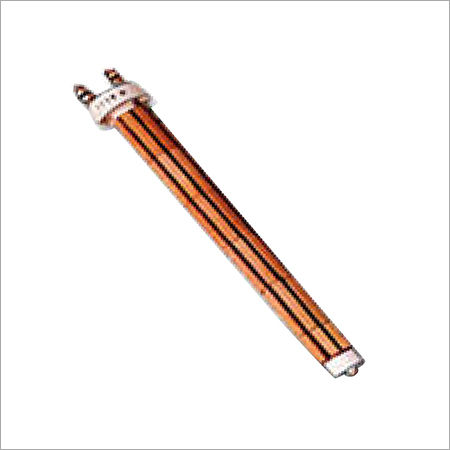
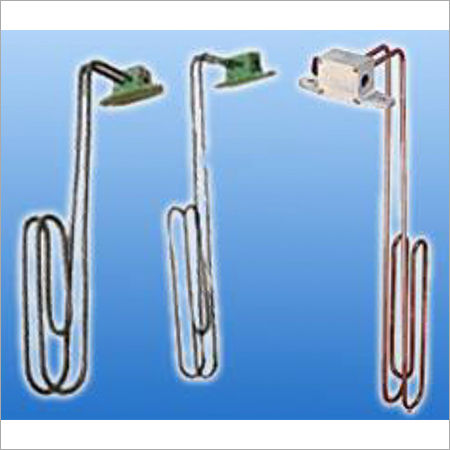
Offering an all inclusive range of Thermocouple which are used for industrial as well as industrial applications. These are of two types one is coil type and another open type elements and are also offered in different materials as per clients requirements.
They have some saline features like. And only provide od 1.5 leangth 50 mm to 150 mm J and K type with 1 mtr. wire length
Key Features
- Low maintenance
- East to install
- Relative high resistance
Versatile Sensor Types for Industrial NeedsChoose from a variety of thermocouple types including K, J, and T, all engineered for precision and compatibility with different industrial requirements. These sensors are designed to handle temperatures up to 1200C, depending on the type, ensuring suitability for processes in machinery, ovens, and chemical plants.
Durable and Fast-Response DesignConstructed with high-quality stainless steel sheaths (SS304 or SS316) and insulated by PTFE or fiberglass, our thermocouples offer excellent resistance to corrosion and mechanical stress. The straight probe design and fast response time-typically less than 10 seconds-make them perfect for monitoring rapid temperature changes in critical applications.
Flexible Installation and Reliable ProtectionWith mounting options including threaded, flanged, and adjustable fittings, these sensors can be easily installed in various setups. An IP65 or higher protection rating guards against dust and water ingress, while standard lengths (150mm, 300mm, 450mm) and customizable cable options meet your project's exact specifications.
FAQ's of Industrial Thermocouple:
Q: How do I select the right thermocouple type (K, J, or T) for my industrial process?
A: Selecting the appropriate thermocouple type depends on the maximum operating temperature, environment, and media involved. Type K is suitable for a broad temperature range and general industrial use, J is ideal for lower temperatures and inert environments, and T offers excellent accuracy at sub-zero temperatures. Consult your process requirements and compatibility needs before choosing.
Q: What are the benefits of using a stainless steel sheath (SS304/SS316) in thermocouples?
A: Stainless steel sheaths, such as SS304 and SS316, provide superior corrosion resistance, durability, and mechanical stability in demanding industrial environments. This makes them suitable for chemical plants, ovens, furnaces, and machinery applications where exposure to harsh substances or conditions may occur.
Q: When should I choose a flanged or adjustable compression fitting for installation?
A: Choose a flanged or adjustable compression fitting when you need secure mounting and the ability to adjust insertion depth to optimize temperature sensing. These options are ideal for applications requiring a robust mechanical seal or those with varying process requirements.
Q: Where can these thermocouples be used in industrial settings?
A: These industrial thermocouples are widely used in temperature measurement and monitoring for applications such as chemical processing, manufacturing machinery, plastic molding, ovens, furnaces, and other high-temperature processes across diverse industries in India.
Q: What is the typical response time for these thermocouples, and why is it important?
A: The typical response time for these thermocouples is less than 10 seconds, allowing for prompt detection of temperature fluctuations. This ensures accurate and timely process control, which is essential for maintaining product quality and operational safety.
Q: How do I ensure compliance with calibration and wiring standards?
A: All thermocouples are supplied in accordance with ANSI or IEC standards for calibration tolerances (within 1.5C or 0.4%) and wire insulation color coding. This guarantees compatibility with existing systems and reliable measurement accuracy.
Q: What advantages do these thermocouples offer over standard temperature sensors?
A: Compared to standard temperature sensors, these thermocouples offer quick response, high accuracy, exceptional durability, and flexibility in installation. Their passive operation (no external power needed) and millivolt signal output make integration and maintenance straightforward.






 Send Inquiry

 Send Inquiry


