About Alkaline Heaters
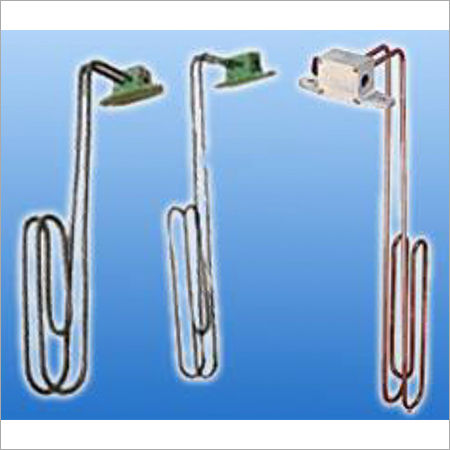
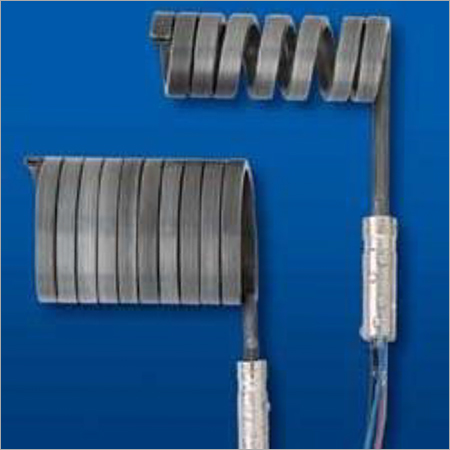
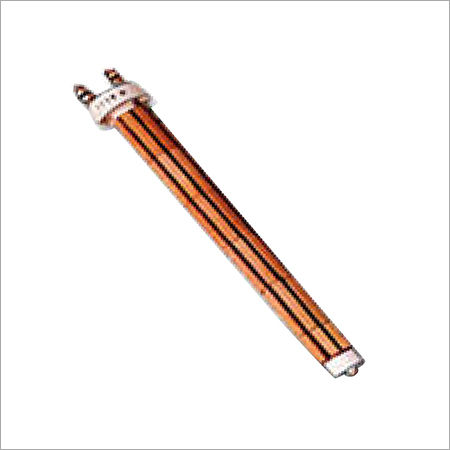
With wide industry knowledge, we are considered as one of the leading manufacturers and suppliers of Lead Alkaline Heaters. Widely used for heating various kinds of alkaline cleaning solutions, chrome and electroplating plating baths, these are highly appreciated in the market. Manufactured using best quality lead by our team of deft professionals, these heaters maintains high temperature for a longer duration. Before the final delivery in the market, we check these on various parameters at our production unit. The Lead Alkaline Heaters offered by us is available in different specifications.
Features:
- Energy efficient
- Hassle free functioning
- Sturdy design
Versatile Design and Material OptionsOur alkaline heaters come in a range of sheath materials - titanium, stainless steel, or incoloy - to best suit the chemical properties of your solution. Custom cold zone lengths, diameters, shapes (U or L), and mounting styles (immersion, screw plug, or flange) ensure flexible integration into any industrial setup. You can tailor power, voltage, and insulation specifications to meet unique operational demands.
Robust Protection and DurabilitySelect from IP55 or IP65 ingress protection and optional polypropylene or PVC protective covers for enhanced safety in harsh environments. The use of high-grade magnesium oxide (MgO) insulation and polished or electro-polished finishes extends lifespan and reduces corrosion, making it ideal for continuous operation in demanding chemical processing and electroplating plants.
Customized Solutions and SupportEvery heater is manufactured to order, with options for customized lead length and replacement elements designed specifically for ongoing projects. Our comprehensive advisory ensures suitable component selection for heating alkaline and chemical solutions, maximizing efficiency and safety while offering reliable after-sales support to all industrial buyers in India.
FAQ's of Alkaline Heaters:
Q: How do I choose the appropriate sheath material for my alkaline heater?
A: The selection depends on the chemical composition of your solution. Titanium is recommended for highly corrosive alkaline environments, stainless steel suits less aggressive solutions, while incoloy offers versatility for a range of chemical processes. Our team can help evaluate your needs.
Q: What is the benefit of a polished or electro-polished surface finish?
A: Polished and electro-polished finishes enhance the heater's corrosion resistance and reduce scaling or buildup, which prolongs service life and maintains heating efficiency in aggressive chemical environments.
Q: When should I request an IP65 ingress protection rating?
A: IP65 protection is recommended when your heating elements are exposed to high moisture, splash, or dust risks. It ensures better sealing of electrical components, making it suitable for harsher industrial settings or outdoor chemical tanks.
Q: Where are alkaline heaters typically used in industry?
A: These heaters are widely utilized in industrial alkaline and chemical heating processes, especially in electroplating plants, chemical processing units, degreasing tanks, and pickling lines where controlled, efficient heating is essential.
Q: What customization options are available for cold zone length and lead wire?
A: Both cold zone length and lead wire length can be tailored as per your specific installation requirements, enhancing safety by preventing overheating at sensitive zones and facilitating easier electrical connections.
Q: How are alkaline heaters installed in tanks or process systems?
A: Depending on your requirements, heaters can be mounted through immersion, screw plug, or flange options. Their installation is supported by standard or customized terminal connections such as threaded posts, lead wires, or terminal boxes for streamlined setup.
Q: What advantages do your alkaline heaters offer over conventional heating elements?
A: Our heaters offer robust corrosion resistance, durability, high thermal efficiency, and flexible customization. These features ensure better energy utilization, extended operational life, and reduced maintenance costs in challenging industrial environments.






 Send Inquiry

 Send Inquiry


