About Porcelain Heaters
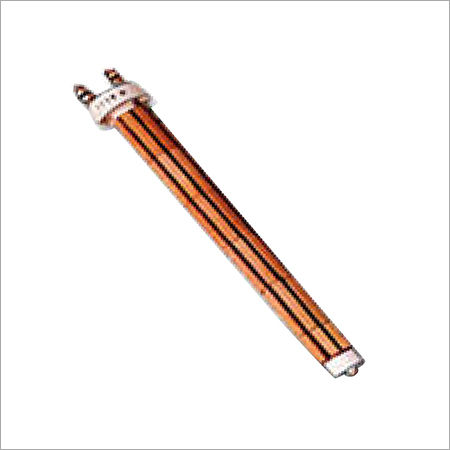
Holding a client oriented approach, we are acknowledged as the esteemed manufacturer and supply of Porcelain Heaters. Highly versatile to perform simple processes to complex heating applications, these heaters are manufactured in compliance with set industry standards. These heaters are extensively used in medium size ovens, anodizing and plating baths, alkaline solutions, processing of phosphoric acid and chromic acid, powder coating booths, chemical and paint industry. Under the direction of our highly knowledgeable professionals, these Porcelain Heaters are checked on various stern parameters.
Key Features:
- Negligible maintenance
- Sturdy construction
- Uniform and even temperature
Superior Customization and PerformancePorcelain heaters offer unmatched adaptability with customizable lengths, diameters, and power ratings. Whether your process demands high thermal stability, unique voltage requirements, or specific mounting types, these heaters deliver reliable, efficient heating. Their glazed ceramic finish ensures optimal insulation, making them a dependable choice for a variety of industrial applications.
Engineered for Demanding EnvironmentsConstructed from high-grade porcelain and featuring advanced insulation materials, these heaters can withstand high-temperature cycles and harsh industrial conditions. Their corrosion-resistant design and optional IP-rated enclosures provide enhanced safety and longevity, while compliance with industrial standards ensures peace of mind.
FAQ's of Porcelain Heaters:
Q: How can I specify the required dimensions and features for my porcelain heater?
A: You can provide customized specifications for length, diameter, lead wire length, power, voltage, and mounting type when placing an order. The heater is typically available in lengths from 200mm to 1200mm and diameters from 10mm to 40mm, allowing you to tailor it exactly to your application's needs.
Q: What is the process for installing these porcelain heaters?
A: Porcelain heaters are designed for easy installation and can be mounted using flange, screw-type, or immersion methods based on your setup. Terminal types also vary, with screw or rod terminals ensuring secure electrical connections. Always follow the manufacturer's installation guidelines for optimal performance and safety.
Q: Where are porcelain heaters most commonly used?
A: These heaters are widely used in industrial sectors for tasks such as heating chemical tanks, oil baths, and water tanks. Their robust construction and high thermal stability make them ideal for diverse industrial and commercial heating applications throughout India and beyond.
Q: What are the key benefits of using porcelain heaters with glazed ceramic surfaces?
A: The glazed ceramic surface provides excellent insulation, enhancing both energy efficiency and operational safety. It also increases resistance to corrosion and ensures the heater's longevity, even in demanding high-temperature cycles.
Q: When should I consider requesting RoHS or CE compliance certification?
A: You should request RoHS or CE certification when your application or region requires adherence to these international safety and environmental protection standards. Compliance can be provided upon request to ensure your project meets regulatory demands.
Q: What voltage and power options are available for these heaters?
A: Porcelain heaters are available in a wide range of power ratings (commonly 100W to 3000W) and can be manufactured for 110V, 230V, or 415V operations, supporting both single-phase and three-phase electrical systems to match various industrial requirements.
Q: How does the thermal stability of these porcelain heaters enhance their usage in industrial environments?
A: Their excellent thermal stability allows them to perform reliably during frequent and sustained high-temperature cycles, which is essential for continuous industrial processes requiring consistent and safe heat delivery up to 600C, depending on the model.





 Send Inquiry

 Send Inquiry


